Witch-Lit-Love

Exploration of witches in literature and art.

Where are the witches?

Great question from Twitter this past week, wondering about witches in literature. This is far from an exhaustive list, and any others you’ve come across please comment and share! The study of witches in history is a study of misogyny, feminism, politics, patriarchy and power. It may include the creation stories where childbirth comes from armpits and Lilith rejects Adam.

https://platform.twitter.com/widgets.js

Thinking about this topic is an avocation for me: when I was sixteen (remember, long before the internet…in a galaxy far, far away) reading about the Salem Witch Trials and wondered are there actual witches, and what might they say? I looked up witches in the yellow pages, (an ancient grimoire of slick ink on cheap, thin yellow paper full of names and places), and found my way to an occult shop in downtown Denver. The women were incredibly nice, just explained Wiccan and its tenants. They didn’t try to “convert” me– it was educational and calm. That was forty-one years ago, and to this day I’ve kept their advice with me: don’t harm to others. And being a lifelong feminist, this amateur pursuit of this archetype is one of my passions.

Books and Texts

This is a curated list of texts I’ve read or are on my #TBR list:

  • Caliban and the Witch: Women, the Body and Primitive Accumulation by Silvia Federici
  • Google Folder of Salem Resources
  • Salem Witch Trials and Crucible Resources
  • Tituba, Reluctant Witch of Salem: Devilish Indians and Puritan Fantasies (The American Social Experience Book 19)
  • I, Tituba, Black Witch of Salem (CARAF Books: Caribbean and African Literature Translated from French) Paperback – February 5, 2009

Media, Tropes, and Archetypes

Film and television have no shortage of witches. However, consider some other representations of witches, like the Mean Girl or the Cool Girl. Here are some examples of literal witches (Practical Magic and Witches of Eastwick were novels before they were movies) and not-so-literal, like the Mean Girl story. Witches typically come in groups of three and then a fourth is added, and causes chaos and imbalance.

Witches in Art

This was curated by @kasbahsalome; there are many more than this, of course. I chose these for literary connections as well as more modern pieces.

William Blake: The Night of Enitharmon’s Joy (sometimes referred to as Triple Hecate)
Paul Devaux: At the Door
Henri Fuseli – Macbeth, Banquo and the Witches, c. 1793
Francisco De Goya: Witches Flight: this paininting is also a prop in the show The Order
John William Waterhouse: Circe Offering the Cup to Ulysses
Leonora Carrington: The Revival of the Witch as a Muse
Remedios Varo: Witch Going to the Sabbath
Three Women Plucking Mandrakes by Robert Bateman

There is no “ready-to-go” lesson here– but some things you might want to put together depending on what texts you’re teaching — if you’re teaching Macbeth witches play a starring role, and examing the archetype across time and cultures may lead to some rich conversations. Also, The Crucible by Arther Miller demands a clear need for understanding this archeypte, and Tituba’s story through racism and misogynoir.

We never know where our curiousity will lead us. For example, I played an owl I recorded in my backyard over a year ago, and a student told me about La Lechuzas, (little owls) who are disguised witches. Enjoy putting your own lesson together, and have no fear!

Postscript: Hansel and Gretel is really about parents giving their children permission to fend for themselves.

The Patron Saints of Nothing

I remember how during sophomore year, my English class read Night by Elie Wiesel while we learned about the Holocaust in World History. After we finished the book, we read the author’s Nobel Peace Prize acceptance speech. I don’t remember the exact words, but I remember how he said something about how if people don’t speak out when something wrong is happening—wherever in the world—they’re helping whoever is committing that wrong by allowing it to happen. Our class discussed the idea, and almost everyone agreed with it, even me. At least, we said we did. Never mind the fact we all knew most of us didn’t even say shit when we saw someone slap the books out of a kid’s hands in the hallway. In fact, the most outspoken supporter of the idea during the discussion was a kid who did that kind of dumb stuff all the time and thought it was hilarious.

Patron Saints of Nothing by Randy Ribay

One of the countries I know little about is the Philippines, and I’m ashamed of this. The only thing I was aware of is the death toll from Duterte’s dictatorship, a man our current “president” admires. Well, makes sense: both are vile, sexual predators with a knack for domestic terrorism. My former student teacher, L, family is from the Philippines, as are over a hundred thousand in Washington State, and during the election year her fears for her family for supporting Tr*** were well founded. In other words: there are a lot of parallels.

But we all know these aren’t abstract headlines: the terror they inflict and promote affects our students’ lives in concrete and harmful ways. However, I am not a spoiler: so no more plot points, or character analysis. I will leave you to enjoy this masterful novel. What I will do, though, is gather and curate some of the other art and poetry mentioned in the novel, so if you decide to add this to your classroom library, these resources will be available:

Artwork:

The Spoilarium by Juan Luna, 1884, National Museum of Fine Arts, Manila

National Museum: http://www.nationalmuseum.gov.ph

Books and Poetry:

A Litany for Survival by Audre Lourde

For those of us who live at the shoreline
standing upon the constant edges of decision
crucial and alone
for those of us who cannot indulge
the passing dreams of choice
who love in doorways coming and going
in the hours between dawns
looking inward and outward
at once before and after
seeking a now that can breed
futures
like bread in our children’s mouths
so their dreams will not reflect
the death of ours;

https://www.poetryfoundation.org/poems/147275/a-litany-for-survival

News Stories: (graphic imagery)

https://www.theatlantic.com/international/archive/2016/09/rodrigo-duterte-philippines-manila-drugs-davao/500756/

https://www.theguardian.com/world/2018/dec/19/dutertes-philippines-drug-war-death-toll-rises-above-5000

https://www.bbc.com/news/world-asia-48955153

Made from scratch.

Owl Announcement

Hear ye, hear ye: I’m going to make stuff this summer.

Make a mess.

Make do.

Make it work.

Make peace, not war.

You get the idea.

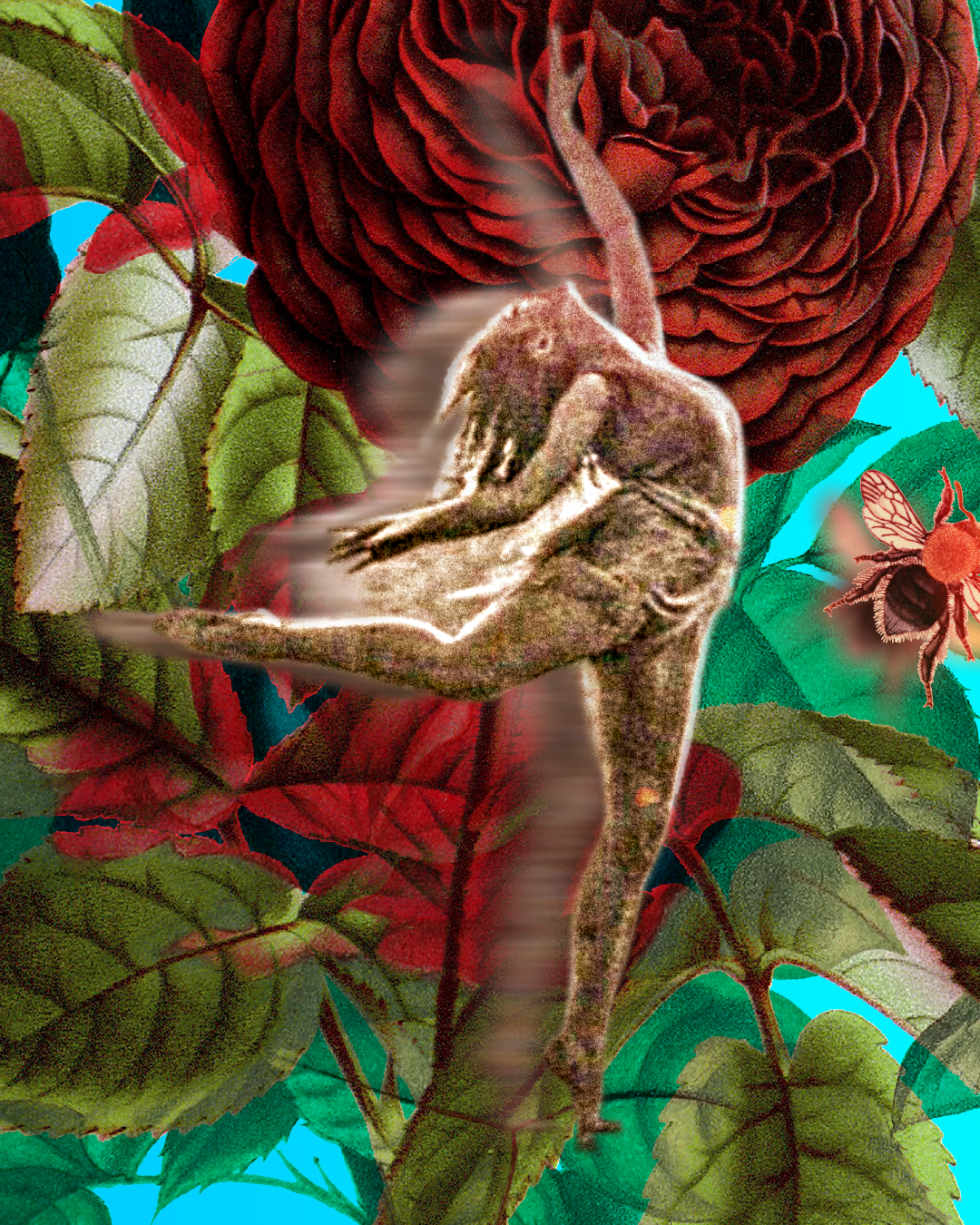
I’ve been playing with Pixelmator, and having a grand time. I told my husband last night that it reminds me of what I loved about being a printmaker during my BFA days: repetitional visual mantras, deconstructing, layering, and chemical, and now digital, accidents that create something uncontrollable and unexpected. These are what I love about printmaking. I miss the lithographic stones, the acid baths of metal plates, and the cool, damp sheets of good paper. And I am in good company: I was the original fangirl of Albrecht Dürer.

Durer_selfporitrait
(If it was wrong to have a crush on a 15th-century artist, I don’t want to be right.)

I’m moving classrooms, again. This is a good thing. The classroom I moved from is very large, and while that would seem like a benefit, it would be if I was team teaching, but challenging when the media station was tethered to the front. It didn’t quite become the studio/workshop atmosphere I wanted, and I’m not sure why. But knowing how important that is to students I’ll be more intentional in the new space. My sons were helping me move yesterday–the younger one and his friends doing the heavy lifting, and my older son helping organize supplies, papers, etc. He couldn’t understand why I kept so much stuff. To the untrained eye, half-used construction paper and old calendars may seem like hoarding. But students love to personalize their things:

notebooks

So, keeping supplies at the ready is a must. I’ll be cleaning out physical and digital spaces, clearing of social media clutter, curating and pruning pages. I took pictures of anchor charts and signs that need to be recreated, and recycled the old. I’ll share what I can on Instagram and Pinterest.

One thing I don’t want to make is myself anxious or unhappy. I’ve been pretty down about politics lately. We watched “Where to Invade Next” by Michael Moore last night, and…this is odd…but I feel surprisingly hopeful again. Maybe it’s because I can make edits/cuts from scenes and we can have discussions that mean something: why don’t we get an hour for lunch? Why aren’t we taught nutrition? Why do we serve doughnuts for the ‘free’ breakfast? Why do we feed children full of starches and sugars, and then wonder why their health deteriorates? Why do we assign homework? Why do we have a deathpenalty? Is the school-to-prison pipeline another means of slavery/indentured servitude? Is our mission to make informed citizenry? Yes. I believe so. We want to make change: then shut up and do it.

Make it so.

//giphy.com/embed/WTNnKqeX4iMXC

via GIPHY